What Are Headless Commerce Solutions?
Headless commerce solutions decouple frontend and backend using API-first ecommerce architecture, enabling flexible and scalable digital experiences across channels. This approach supports faster innovation, seamless integrations, and modern commerce transformation.
Overview of Sigma’s Headless Commerce Solutions
Legacy systems limit scalability, slow innovation, and create backend dependencies. Sigma addresses this with headless commerce solutions powered by API-first eCommerce architecture, enabling structured transformation through headless ecommerce development for greater flexibility and speed.
Eliminate Website Speed Bottlenecks with Performance Audits, Core Web Vitals Analysis & Optimization Strategies
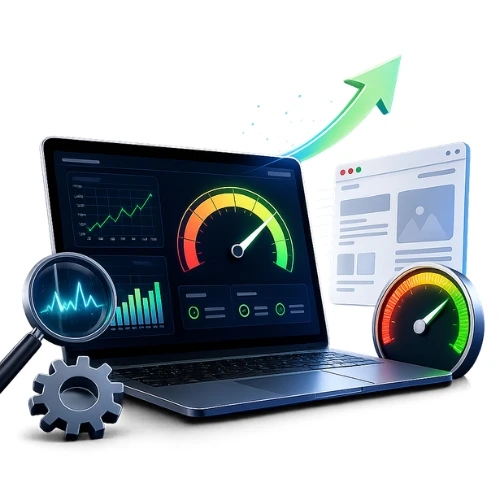
Comprehensive eCommerce website optimization audits focused on identifying speed bottlenecks, rendering delays, inefficient architecture, and Core Web Vitals issues impacting website performance, SEO rankings, and user experience across eCommerce stores.
Key Features
- Conducting Lighthouse, GTmetrix, and PageSpeed Insights benchmarking to identify website speed optimization opportunities across eCommerce platforms.
- Analyzing Core Web Vitals metrics including LCP, CLS, and INP to improve SEO rankings and user experience.
- Evaluating server response times and TTFB performance impacting eCommerce website speed and frontend responsiveness.
- Mapping frontend and backend performance dependencies affecting rendering efficiency, scalability, and eCommerce conversions.
Modernize Legacy Systems with Headless Commerce Solutions
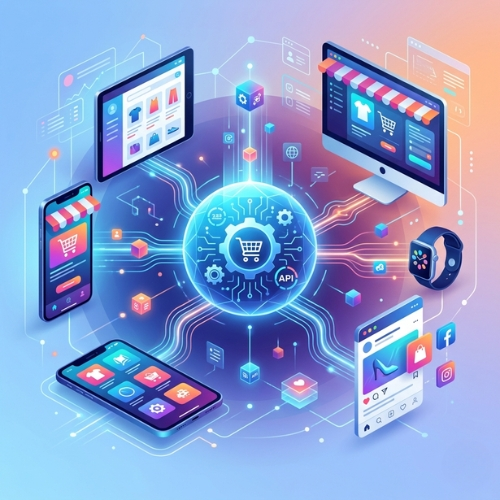
Legacy systems limit scalability, slow innovation, and create backend dependencies. Sigma addresses this with headless commerce solutions powered by API-first ecommerce architecture, enabling structured transformation through headless ecommerce development for greater flexibility and speed.
Key Features
- Modernization using scalable headless ecommerce development for legacy platforms with flexible architecture
- API-first eCommerce integration to reduce backend dependency and accelerate release cycles
- Modular commerce design enabling upgrades without full system replatforming
Eliminate Frontend Limitations with Decoupled Frontend Architecture
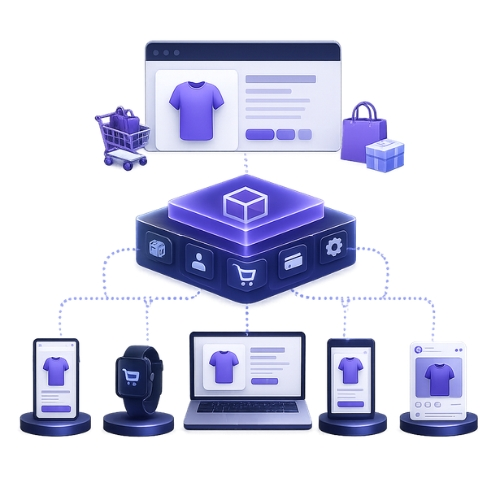
Frontend limitations slow UI innovation and restrict seamless experiences across channels. Sigma addresses this with decoupled frontend architecture, enabling headless storefront development and scalable API-first ecommerce experiences using React and Next.js for consistent performance.
Key Features
- Deployment of decoupled frontend architecture enabling independent UI updates without backend disruption
- Unified storefront layer ensuring consistent omnichannel commerce across web, mobile, and digital channels
- Scalable headless storefront development enabling dynamic and personalized customer journeys
Eliminate Scalability Bottlenecks with Headless Commerce Architecture
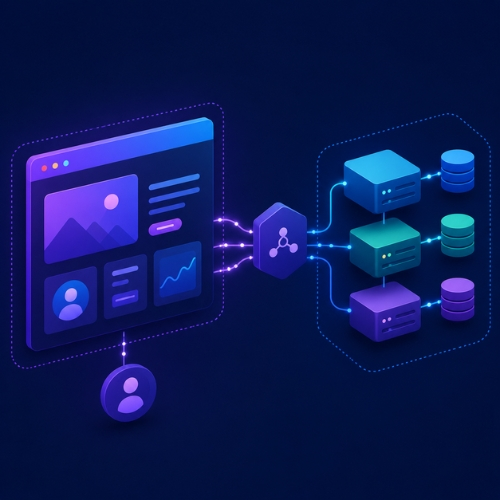
Growing traffic, global expansion demands, and performance bottlenecks limit traditional commerce systems. Sigma addresses this with scalable headless commerce solutions, enabling API-first eCommerce architecture and modular systems for high performance, multi-region operations, and seamless scalability.
Key Features
- Elastic scalability for high-volume transactions and enterprise-grade performance stability
- Multi-region, multi-store, and multi-currency commerce capabilities for global expansion
- Distributed architecture ensuring high availability and fault-tolerant systems
Eliminate Integration Silos with API-First Commerce Integration
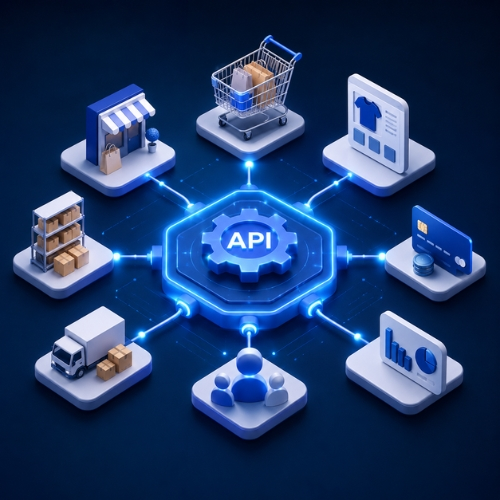
Disconnected systems, data silos, and slow integrations limit operational efficiency and delay innovation. Sigma addresses this with API-first eCommerce integration, enabling seamless connectivity across ERP, CRM, PIM, and payments with real-time data flow and faster system interoperability.
Key Features
- Seamless API-first integration across enterprise systems like ERP, CRM, PIM, and payments
- Faster integration cycles enabling quick onboarding of digital services and tools
- Real-time data flow across inventory, pricing, and customer systems for operational efficiency
Eliminate Slow Performance with High-Performance Headless Commerce Engineering
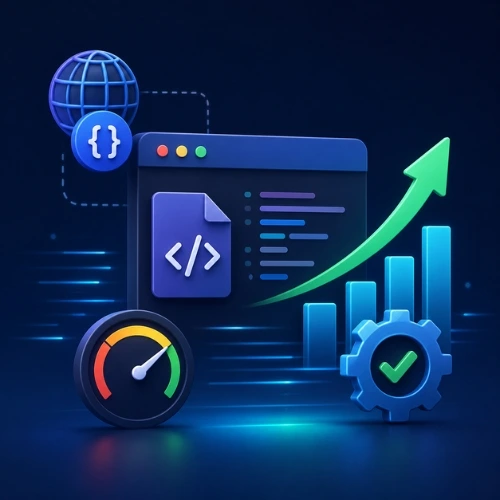
Slow load times, poor responsiveness, and performance inefficiencies impact user experience and conversions. Sigma addresses this with performance-driven headless commerce engineering, leveraging CDN, caching, and modern frameworks like React and Next.js for fast, reliable storefronts.
Key Features
- Optimized storefront performance with faster load times and improved conversion rates
- Efficient backend processing supporting high-volume commerce operations
- CDN and caching strategies for globally consistent digital performance
Why Enterprises Choose Sigma for Headless Commerce?
Headless commerce solutions enable scalable, high-performance digital eCommerce ecosystems with faster innovation, seamless omnichannel experiences, and greater operational flexibility. Sigma’s API-first eCommerce approach helps enterprises modernize commerce architecture while improving agility, scalability, and customer experience across digital platforms.
The Sigma Advantage
Composable Commerce Architecture
Flexible eCommerce ecosystems designed for continuous innovation and scalable growth.
Faster Time-to-Market
Independent frontend and backend development enabling rapid feature releases and faster deployment cycles.
Omnichannel eCommerce Experiences
Consistent customer journeys across web, mobile, marketplaces, and digital channels.
API-First Integration
Seamless connectivity across ERP, CRM, PIM, payment, and enterprise systems.
Scalable Enterprise Infrastructure
High-performance architecture built for growing traffic, global expansion, and enterprise reliability.
Modern Frontend Engineering
React and Next.js powered storefronts optimized for speed, flexibility, and user experience.
Operational Agility
Modular commerce systems that simplify upgrades, integrations, and ongoing digital transformation.
Technologies Powering Headless Commerce
- Frontend: React, Next.js ecommerce, Vue.js
- Backend: Node.js, Magento (Adobe Commerce)
- APIs: REST, GraphQL (API-first ecommerce)
- CMS: Headless CMS platforms
- Cloud: AWS, Azure
Sigma’s Headless Commerce Development Process

Discovery & Commerce Architecture
Business analysis, platform evaluation, and scalable headless commerce architecture planning aligned with enterprise goals.

Infrastructure & Backend Engineering
Cloud-native infrastructure setup and backend development designed for scalable headless commerce systems.
Headless Storefront Development
Modern headless storefront development using React, Next.js ecommerce React frameworks, and decoupled frontend architecture.

API-First eCommerce Integration
API layer development and seamless integration across ERP, CRM, PIM, payment gateways, and enterprise systems.

Testing, Deployment & Optimization
Performance validation, go-live support, and continuous optimization for scalable headless commerce solutions.
Real-World Headless eCommerce Transformations Powered by Sigma
From legacy platform modernization to scalable frontend innovation, Sigma delivers flexible, API-first eCommerce ecosystems engineered for performance, agility, and long-term digital growth.
Looking to modernize digital commerce with scalable headless commerce solutions? Sigma Infosolutions delivers API-first eCommerce architecture, headless storefront development, and React- and Next.js-powered commerce experiences built for flexibility, performance, and enterprise growth.
Our Clients


















Success Stories

Revamping website by upgrading WordPress and associated plugins to enhance user experience and improve overall experience for a US-based lender.
Read more
Our Client journey began with a small store in Oceania, and as their reputation for exceptional service and expertise spread, so did their customer base. They recognized the need to accommodate their growing
Read more
Hansen Wholesale, an established and esteemed online retailer, specializes in an extensive range of home decor products, ranging from exquisite lighting fixtures to elegant ceiling fans and fireplace accessories.
Read moreLatest Blogs

Key Highlights: Growth-stage brands risk costly replatforming when they choose an eCommerce platform based on popularity rather than business requirements. Mismatches between catalog complexity, growth plans, and
Read more
Key Highlights: Relying on license or subscription fees alone can make an eCommerce platform appear more affordable than it is. Underestimated hosting, development, maintenance, and integration costs can inflate
Read more
Key Highlights: Retailers with complex B2B catalogs often evaluate Magento and Shopify using comparison criteria written for simpler, consumer-facing storefronts. The Magento vs Shopify decision for complex B2B
Read moreFrequently Asked Questions
What is headless commerce and how does it benefit US retail businesses?
Headless commerce is an API-first eCommerce architecture where the frontend (storefront) is decoupled from the backend commerce engine. For US retail businesses, this enables faster innovation, seamless omnichannel experiences, and the ability to scale digital storefronts without being constrained by backend systems. It is especially valuable for enterprises managing high traffic, multiple regions, and complex customer journeys.
How is headless commerce different from traditional eCommerce platforms?
Traditional eCommerce platforms tightly couple frontend and backend systems, limiting flexibility and innovation. In contrast, headless commerce separates both layers using APIs, allowing retail businesses to independently design user experiences while maintaining backend commerce logic. This results in faster deployment cycles, better performance, and improved scalability for enterprise retail operations.
Why are US retail enterprises shifting to headless and composable commerce?
US retail enterprises are adopting headless and composable commerce to overcome limitations of legacy systems such as slow performance, integration bottlenecks, and poor scalability. Composable commerce allows retailers to build modular systems that integrate ERP, CRM, PIM, and payment systems seamlessly while enabling faster time-to-market and personalized customer experiences across channels.
How does headless commerce improve scalability for high-growth retail businesses?
Headless commerce supports elastic scalability through cloud-native, API-first architecture. It allows retail businesses to handle high traffic volumes, seasonal spikes, and global expansion without performance degradation. Multi-region deployment, CDN integration, and distributed systems ensure consistent performance across all digital storefronts.
Can headless commerce integrate with ERP, CRM, and other enterprise systems?
Yes. One of the core advantages of API-first eCommerce architecture is seamless integration with enterprise systems like ERP, CRM, PIM, and payment gateways. This enables real-time data synchronization across inventory, pricing, customer data, and order management systems, improving operational efficiency and decision-making in retail enterprises.
How does decoupled frontend architecture improve retail customer experience?
Decoupled frontend architecture allows retail businesses to independently develop and optimize storefront experiences without backend limitations. Using modern frameworks like React and Next.js, retailers can deliver fast, dynamic, and personalized user experiences across web, mobile, and digital channels, improving engagement and conversion rates.
What are the performance benefits of headless commerce for retail websites?
Headless commerce significantly improves performance by leveraging CDN distribution, caching strategies, and optimized backend processing. This ensures faster page load times, improved responsiveness, and consistent global performance—critical factors for increasing conversions in competitive US retail markets.
Is headless commerce suitable for migrating legacy retail platforms like Magento or Shopify?
Yes. Headless commerce is widely used to modernize legacy platforms such as Magento and Shopify by decoupling frontend systems and introducing API-first architecture. This allows retail enterprises to retain backend commerce logic while upgrading storefronts for better scalability, flexibility, and performance without full system replatforming.
What technology stack is commonly used in headless commerce solutions?
Modern headless commerce solutions typically use React and Next.js for frontend development, Node.js for backend services, and REST or GraphQL APIs for integration. Cloud platforms like AWS and Azure support scalability, while headless CMS systems enable flexible content management across retail channels.
What are the business benefits of adopting composable commerce for retail enterprises?
Composable commerce enables retail businesses to build modular, flexible, and scalable digital ecosystems. It improves time-to-market, reduces dependency on monolithic systems, enhances omnichannel consistency, and supports continuous innovation. For US retailers, this translates into improved agility, higher conversion rates, and long-term digital transformation readiness.